
Race Monologues
-
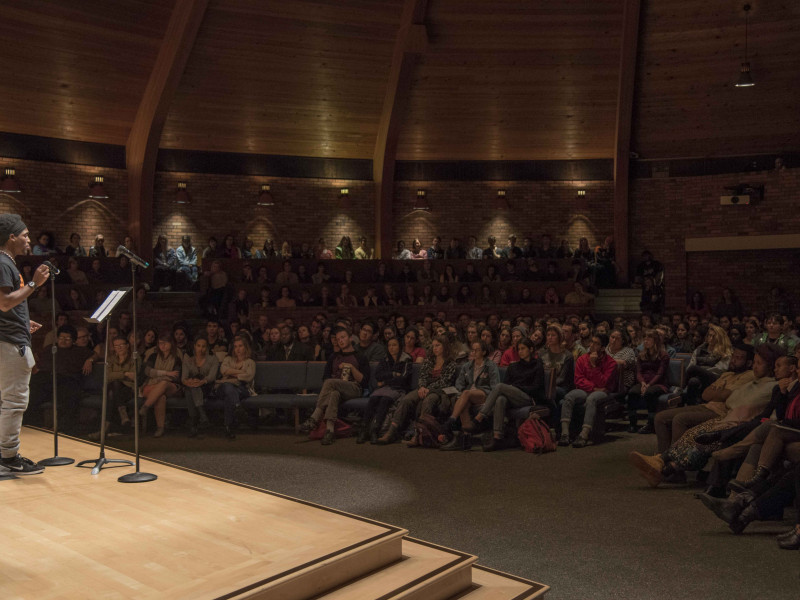 2015 Ray Warren Symposium Race Monologues
 -
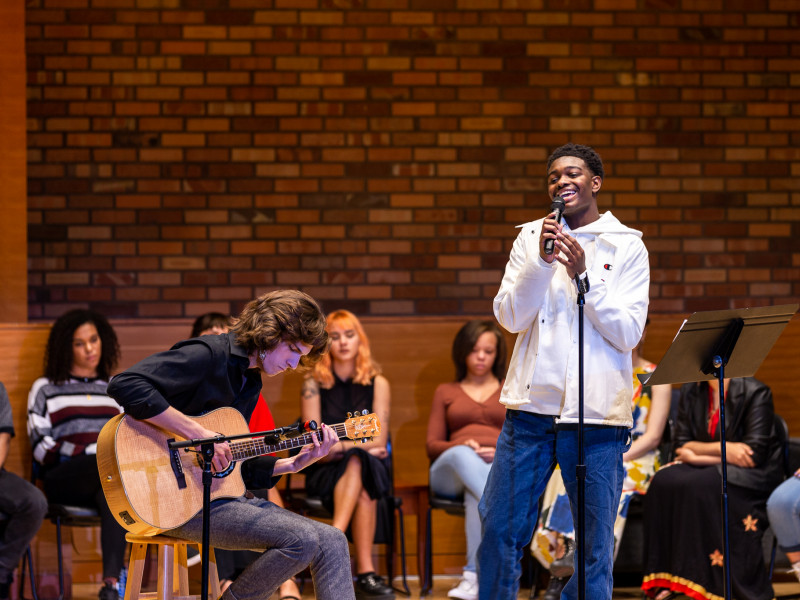 2018 Ray Warren Symposium Race Monologues
 -
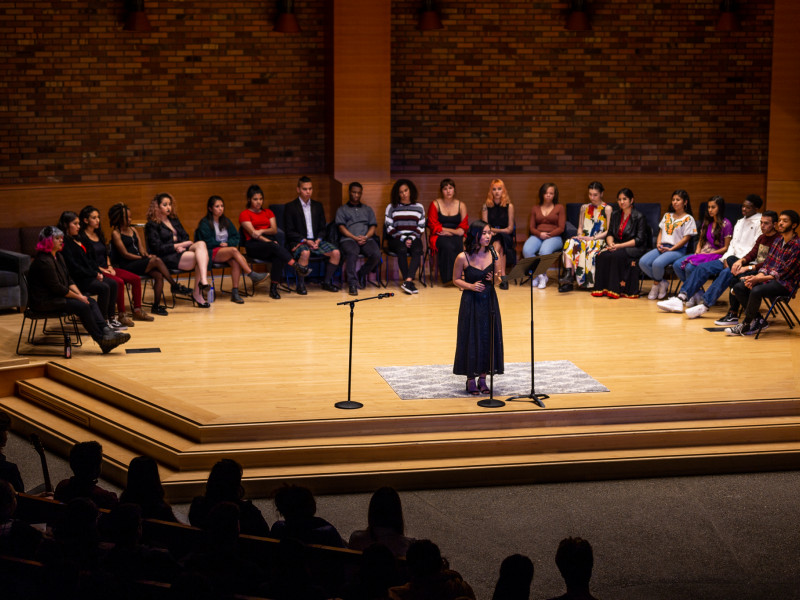 2018 Ray Warren Symposium Race Monologues
 -
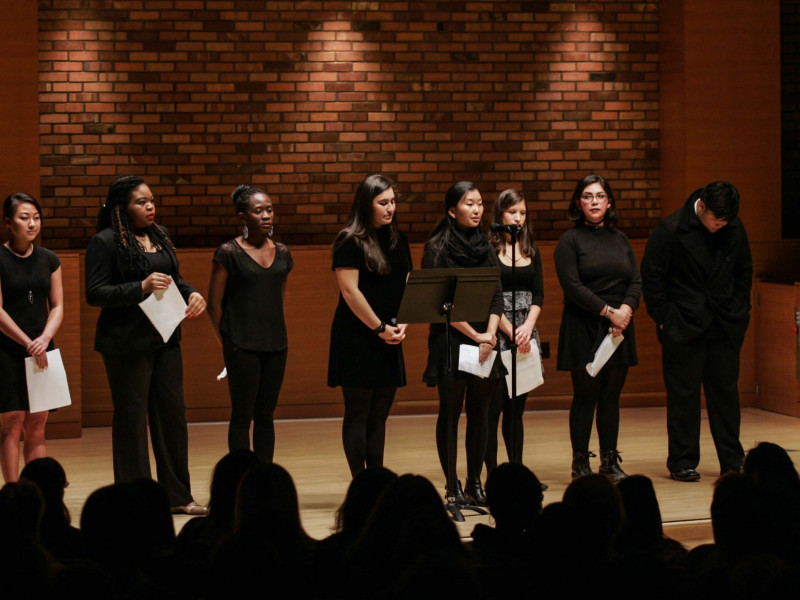 2014 Ray Warren Symposium Race Monologues
 -
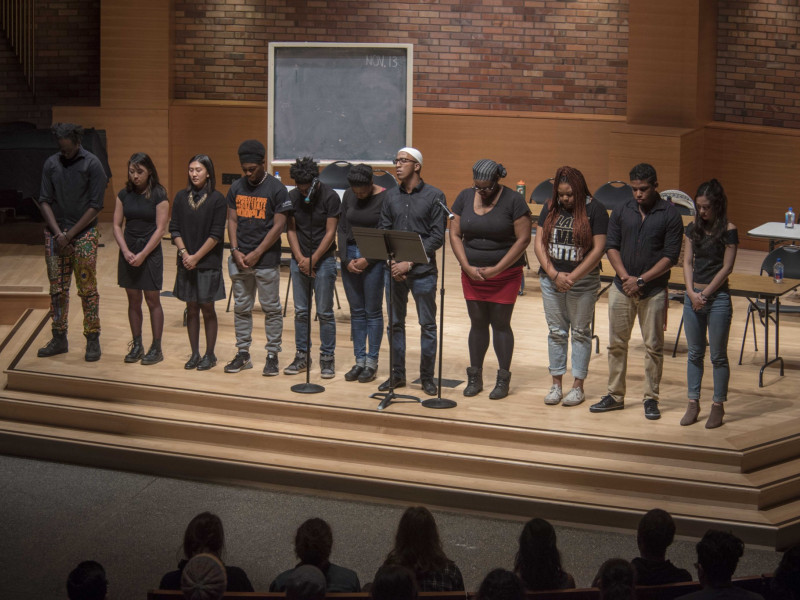 2015 Ray Warren Symposium Race Monologues
 -
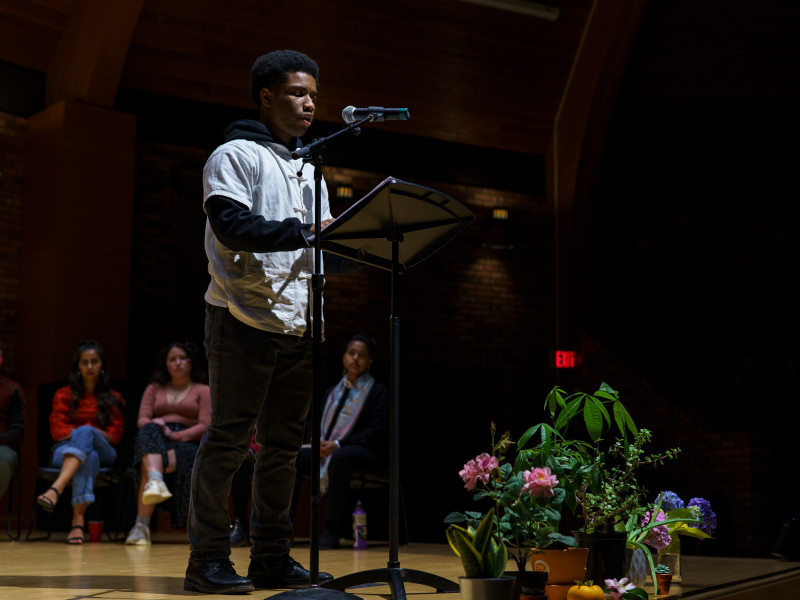 2019 Ray Warren Symposium Race Monologues
 -
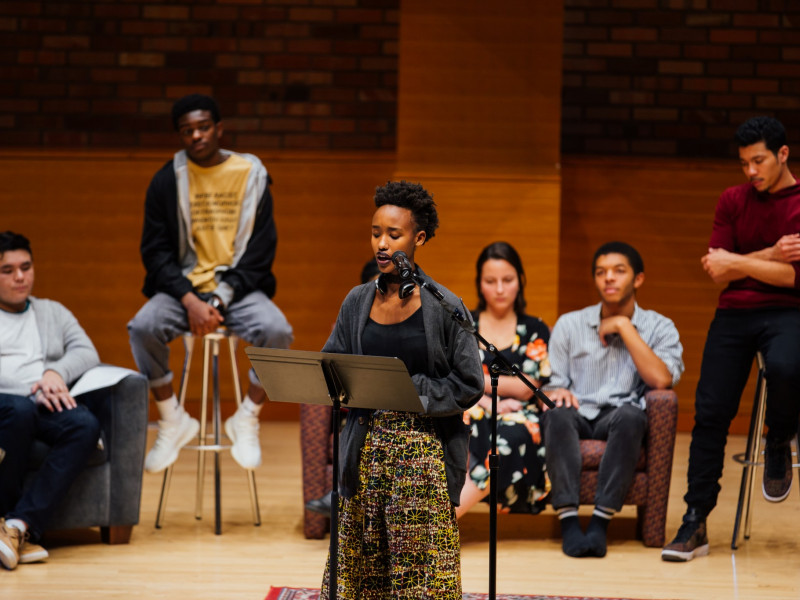 2017 Ray Warren Symposium Race Monologues
 -
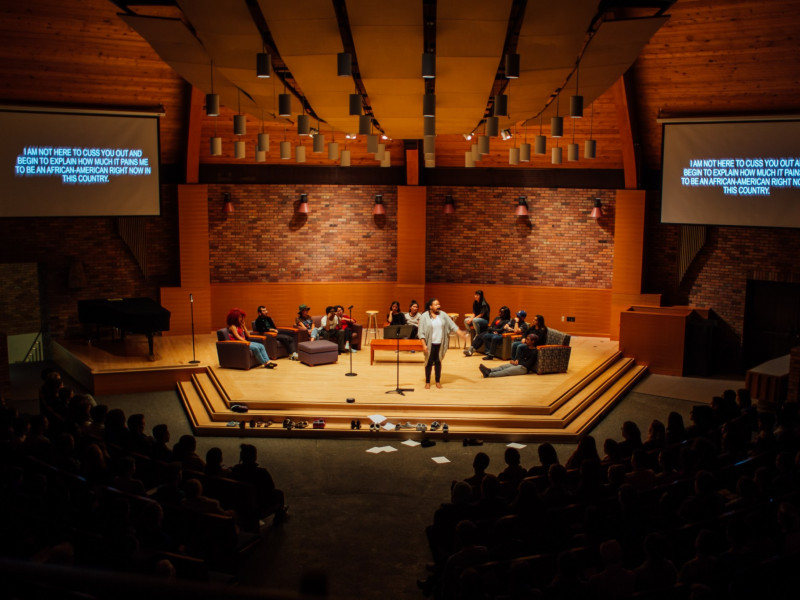 2016 Ray Warren Symposium Race Monologues
 -
 2019 Ray Warren Symposium Race Monologues
 -
 2012 Ray Warren Symposium Race Monologues
 -
 2015 Ray Warren Symposium Race Monologues
 -
 Ray Warren Symposium Race Monologues
 -
 2015 Ray Warren Symposium Race Monologues
 -
 2021 Ray Warren Symposium Race Monologues
 -
 2016 Ray Warren Symposium Race Monologues
 -
 2018 Ray Warren Symposium Race Monologues
 -
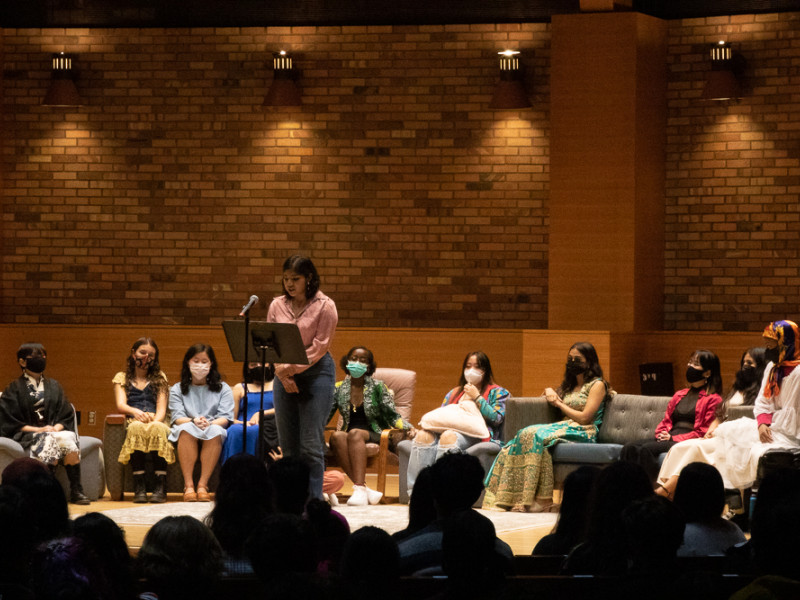 2021 Ray Warren Symposium Race Monologues
 -
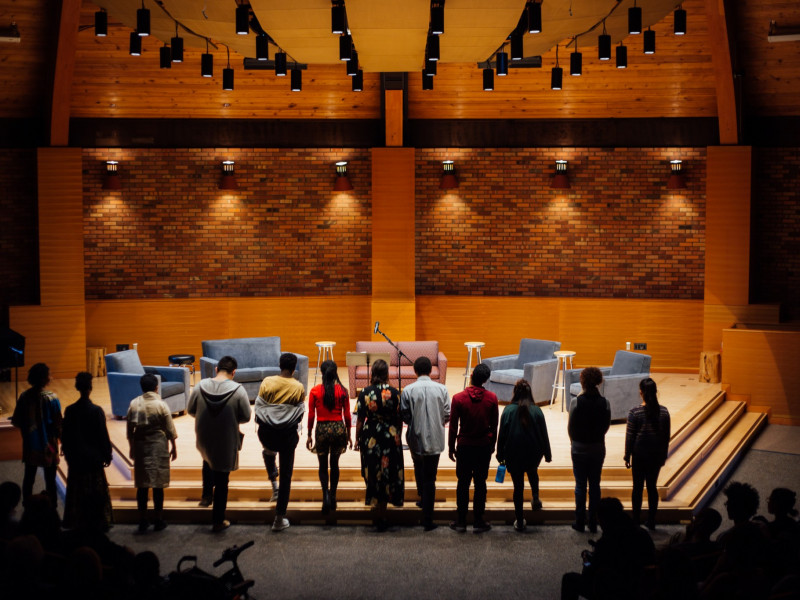 2017 Ray Warren Symposium Race Monologues
 -
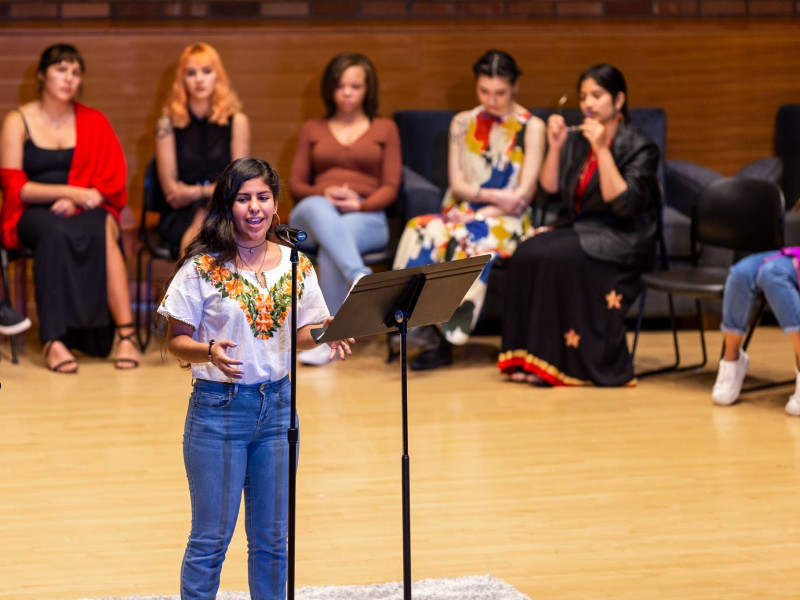 2018 Ray Warren Symposium Race Monologues
 -
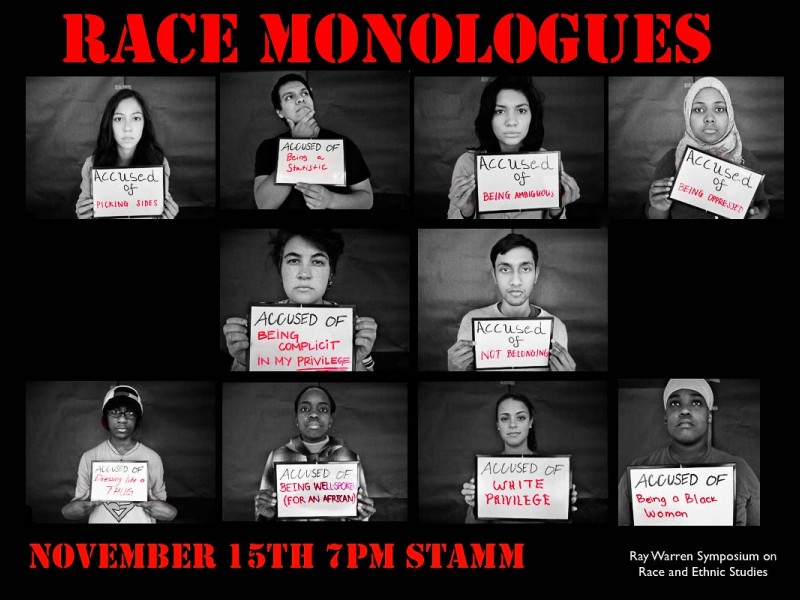 Ray Warren Symposium Race Monologues
 -
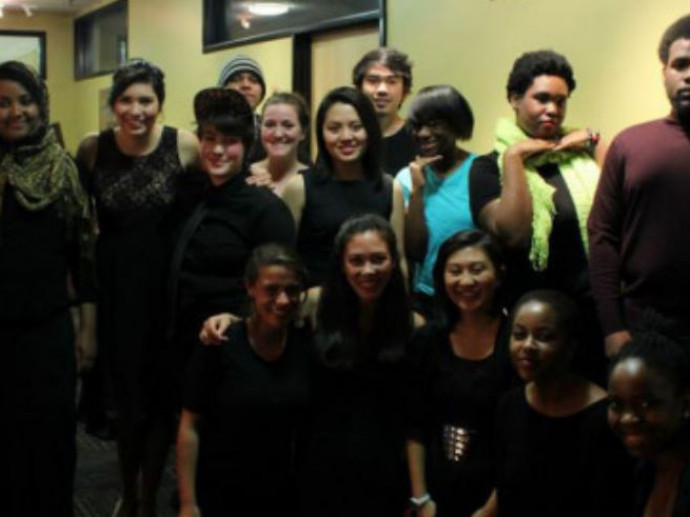 2013 Ray Warren Symposium Race Monologues presenters


What is Race Monologues?
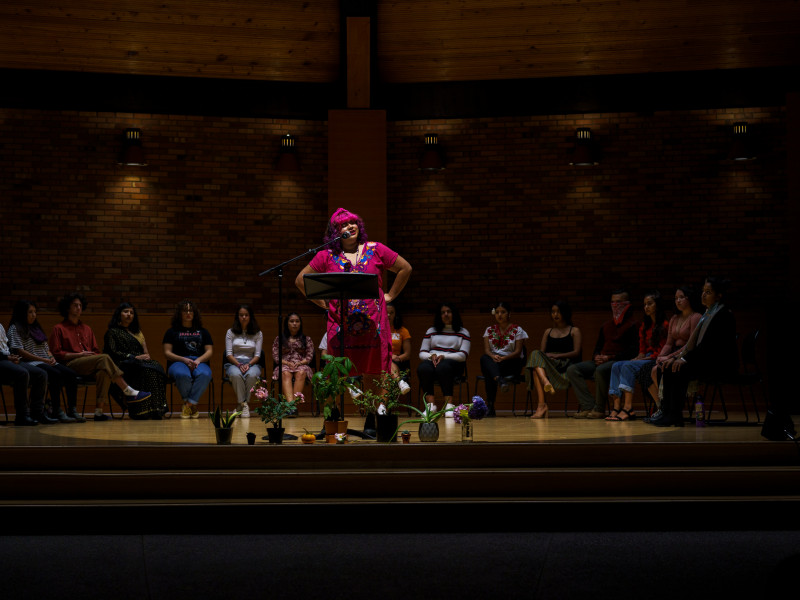
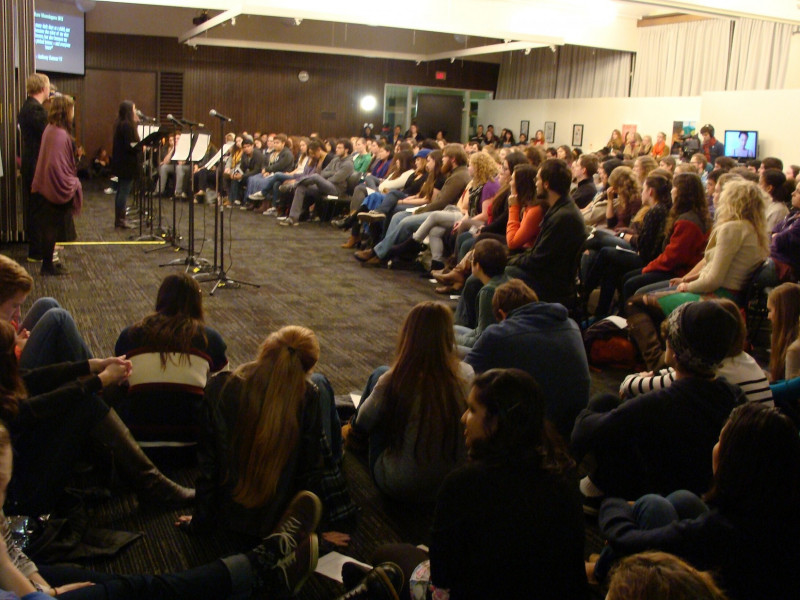
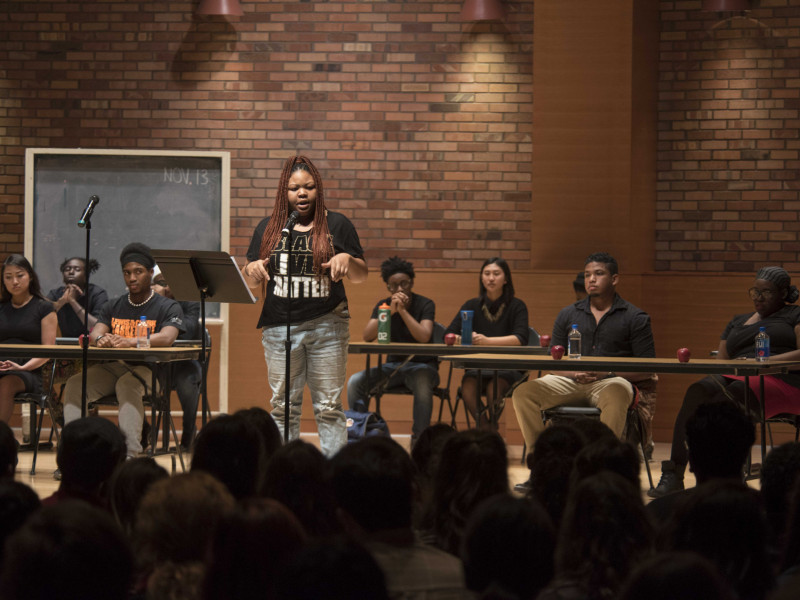
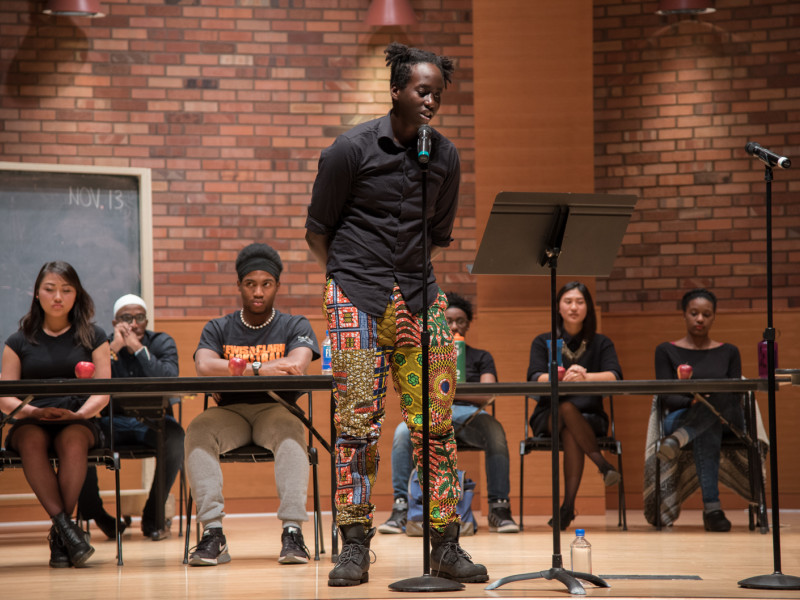
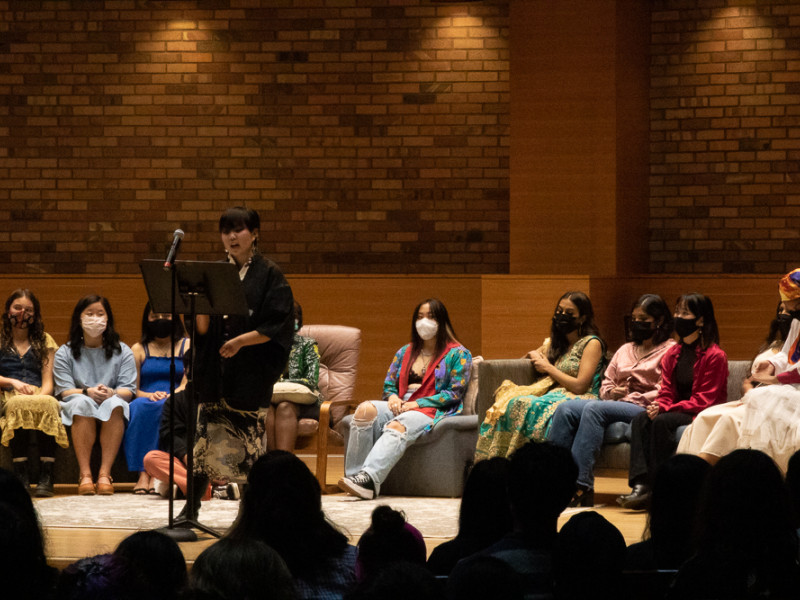
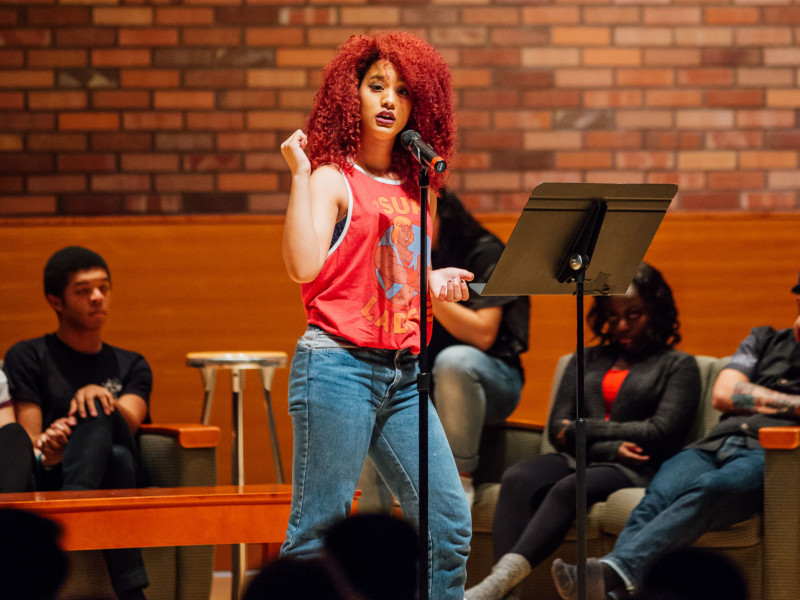
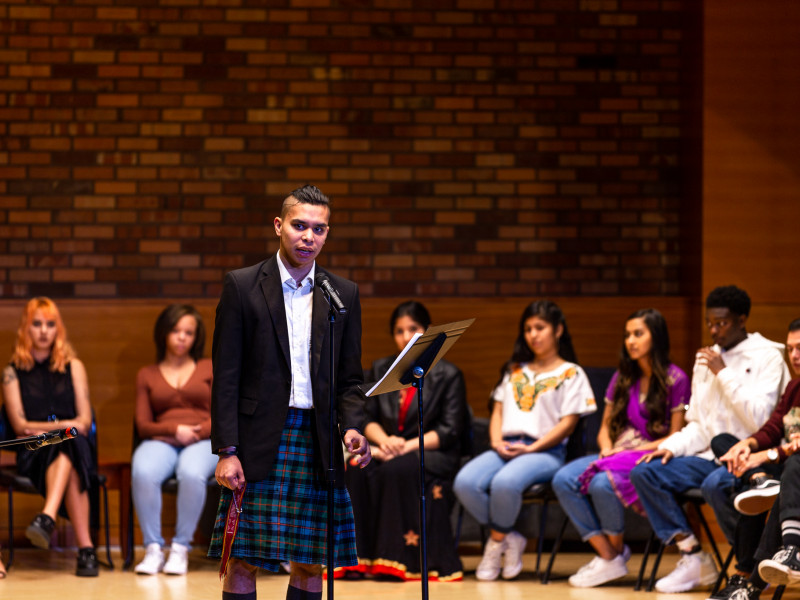
Race Monologues is a series of original narratives written by L&C students to share their personal experiences with racial and ethnic identity. Since 2002, students have shared stories of joy and pain, community solidarity and structural racism, personal discovery and political engagement.
Race Monologues primarily features presentations by students of color, a group that has historically been marginalized at Lewis & Clark College. Students created Race Monologues because they felt their voices were not heard by administrators and many of their peers, and they felt underrepresented among the faculty.
Monologues are written by the presenters themselves, sometimes individually but often collaboratively at regular writing workshops. In preparing their monologues, students reflect on and discuss their experiences, think critically about difficult issues, and provide each other with feedback and support.
How did Race Monologues begin?
Initiated in 2002, Race Monologues began as a loose support network for students of color to come together and share their experiences and find an outlet for voicing them to community. The first Race Monologues was presented at the Gender Studies Symposium in March 2002, and it was repeated at that symposium until the first Ray Warren Multicultural Symposium (now the Ray Warren Symposium on Race and Ethnic Studies) took place in November 2004. Race Monologues has been presented annually at the Ray Warren Symposium since then.
Who presents at Race Monologues?
Any current Lewis & Clark College who wishes to get involved is eligible to do so. Participating students meet regularly for workshops where they write, talk, and develop their monologues. Students who wish to present at Race Monologues during the symposium are expected to participate in the regular meetings and workshops, but students are welcome to participate in the meetings and workshops without presenting from the stage during the symposium.
Who should come to Race Monologues?
Everyone who wants to think about these issues and listen respectfully to these voices is welcome to attend. Attendance at this event is not limited to members of the Lewis & Clark College community.
What should I expect to experience at Race Monologues?
Race Monologues is a powerful event. Audience members laugh, cry, learn, and bear witness to the experiences of the speakers. How you will respond depends on who you are and what you bring with you. Since each Race Monologues event is unique, it is hard for anyone to anticipate a particular response.
Some people hear things that are completely unfamiliar and new, while others feel like they are hearing their own stories told back to them. Some audience members feel uncomfortable or unsettled. Others feel like they are finally in a place where they get to hear from people like them.
Some monologues are written as letters to loved ones, while others are directed at strangers. They can take the form of prose, poetry, or song, but Race Monologues is not a performance. The monologues may be funny or angry, serious or playful, but they are always thoughtful. Most monologues are written and delivered by an individual student, but some are created and presented jointly—or even by the entire group.
Presenters usually ask audience members to hold back from applauding, cheering, or responding aloud until the conclusion of the final monologue. Some presenters are excited to engage in dialogue after the event concludes, while others prefer not to discuss the stories they shared. Please keep that in mind when deciding whether or how to approach presenters to talk about their monologues.
What should I do after attending Race Monologues?
Keep thinking, talking, and listening! If you want to reflect further on your own experiences or work with others to promote racial justice and foster critical dialogue, there are a variety of opportunities and resources available at Lewis & Clark College and in the greater Portland area.
If you feel overwhelmed by what you experience at the Race Monologues, know that this can be a natural reaction. Talking with someone can be a big help. Sometimes talking with someone in your social system provides enough support; if it doesn’t, there are also campus offices with professional staff who are available to listen.
Office of Inclusion and Multicultural Engagement: IME provides resources and sponsors events to create a more inclusive, diverse, and equitable campus community. Numerous student groups are affiliated with IME.
Counseling Service: Free and confidential services for L&C students. Whenever the Counseling Service is closed, students who need to speak with a counselor can call the Lewis & Clark Crisis Counseling Service at 503-265-7804.